History of Payahuunadü
1920
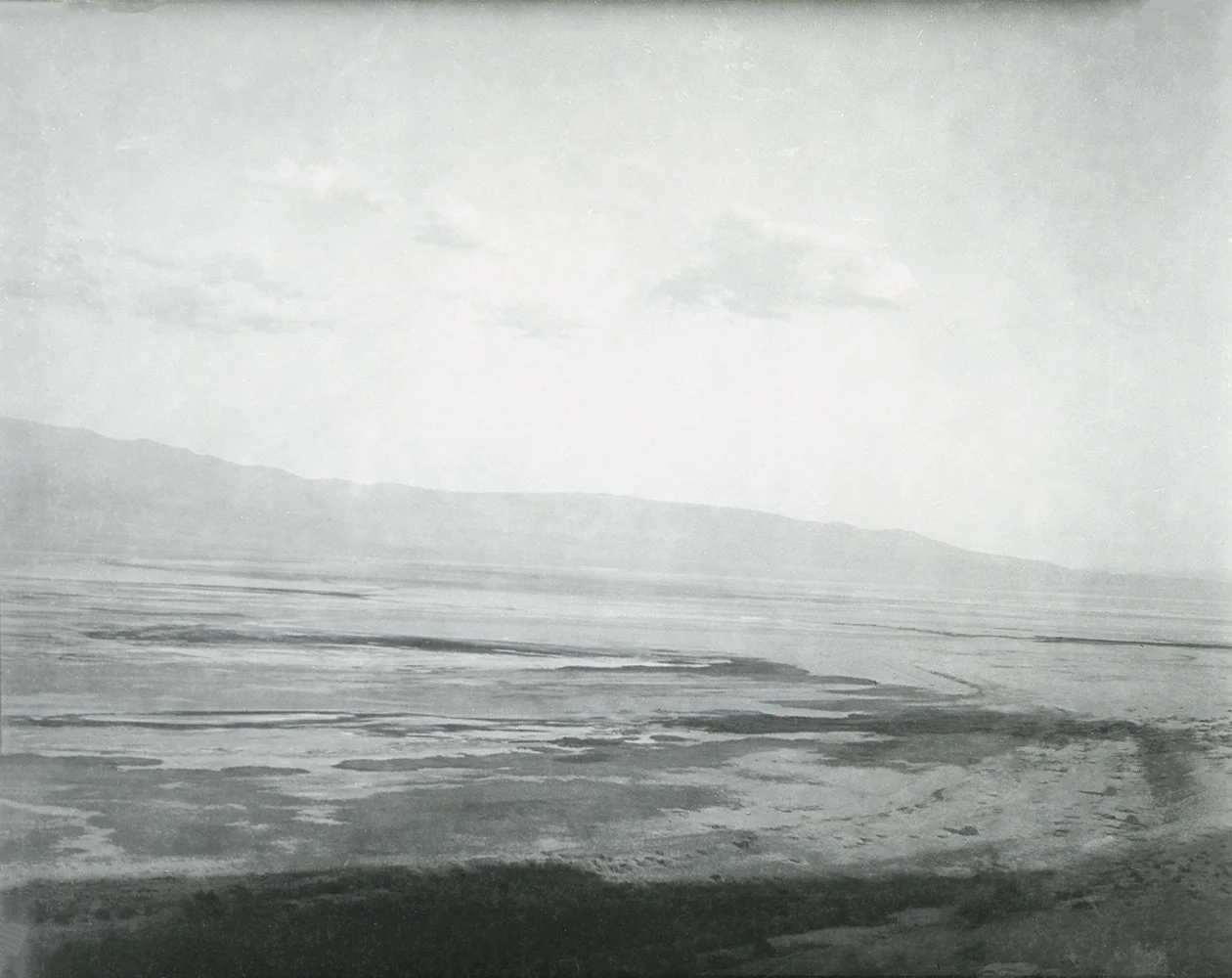
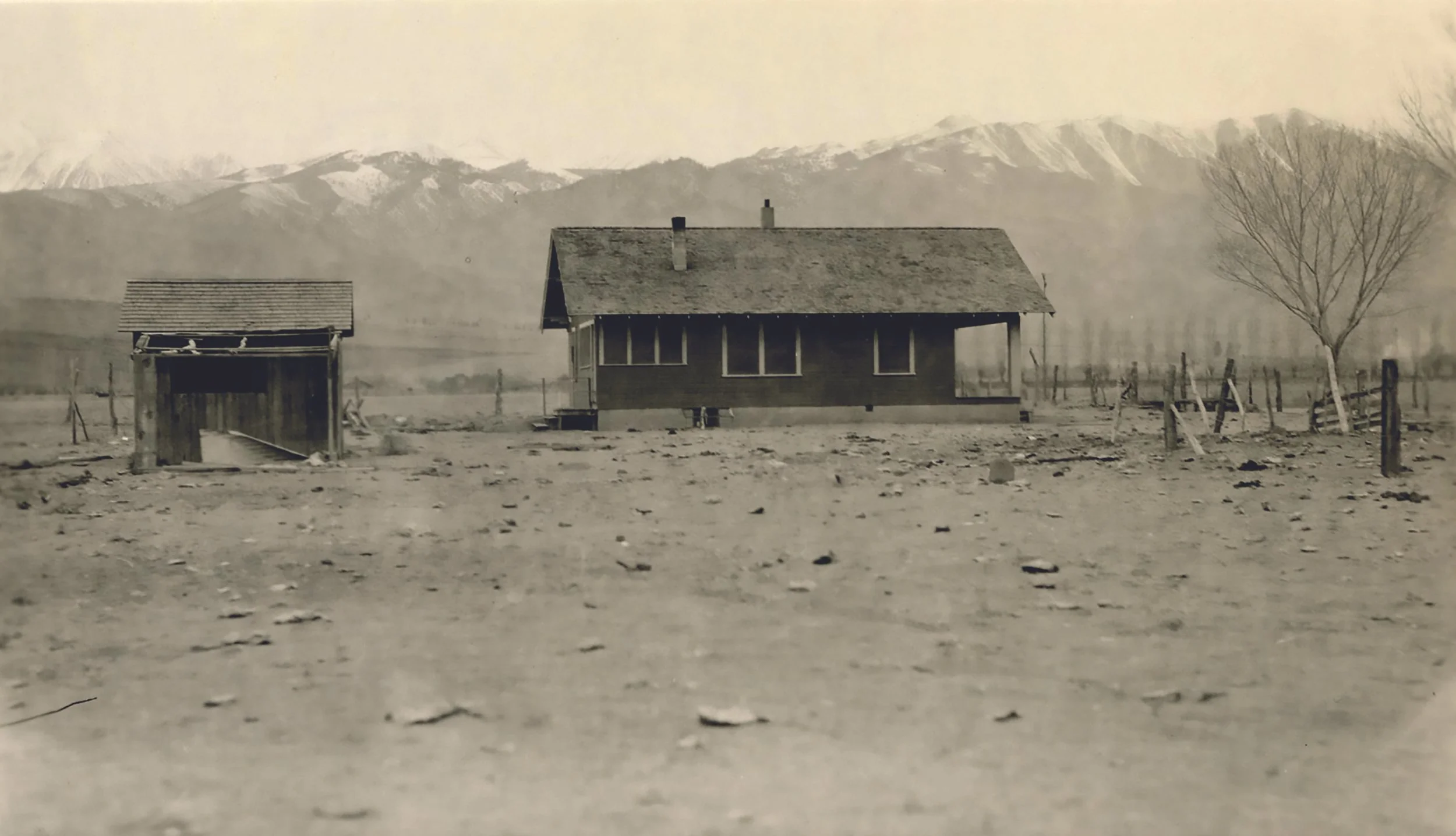
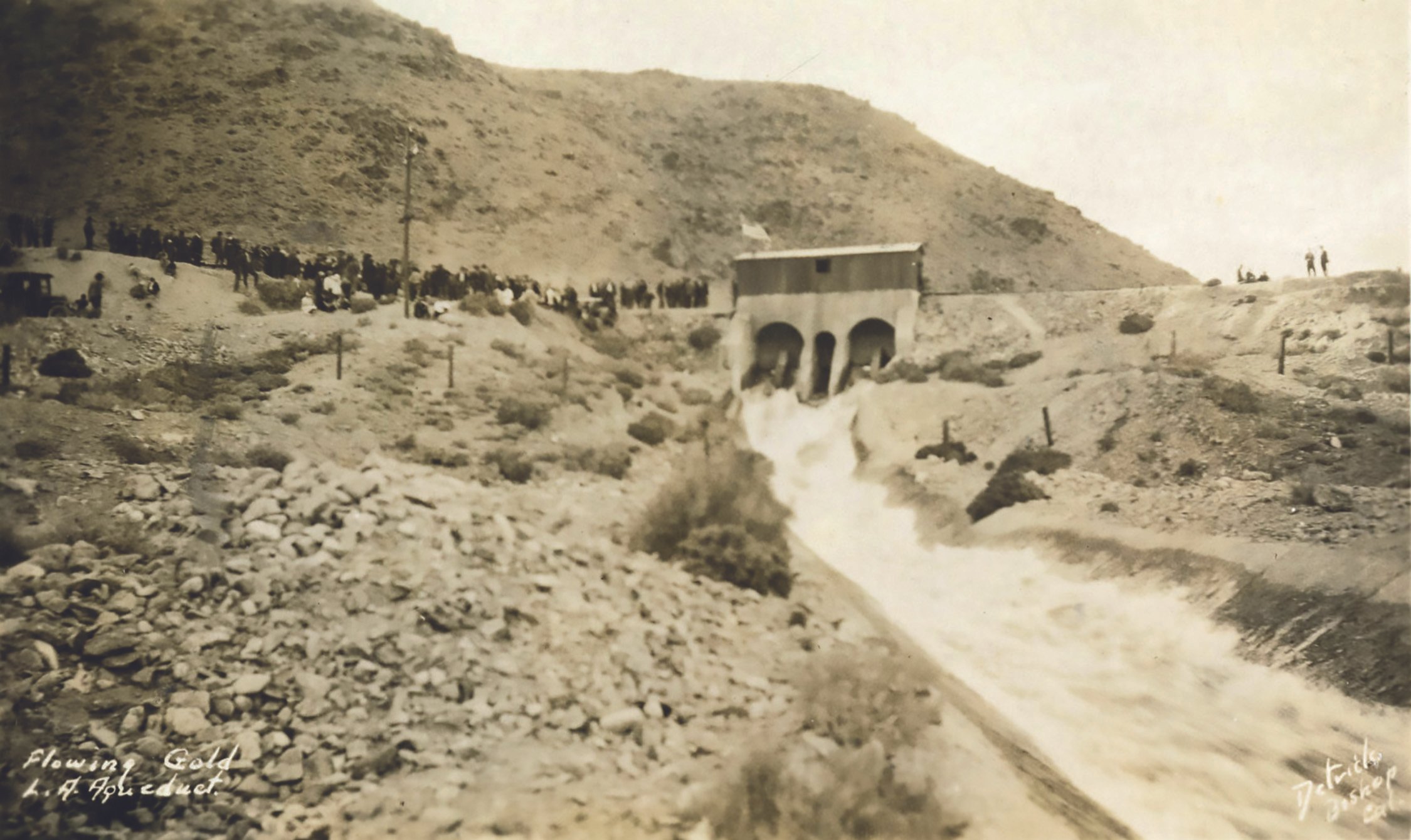
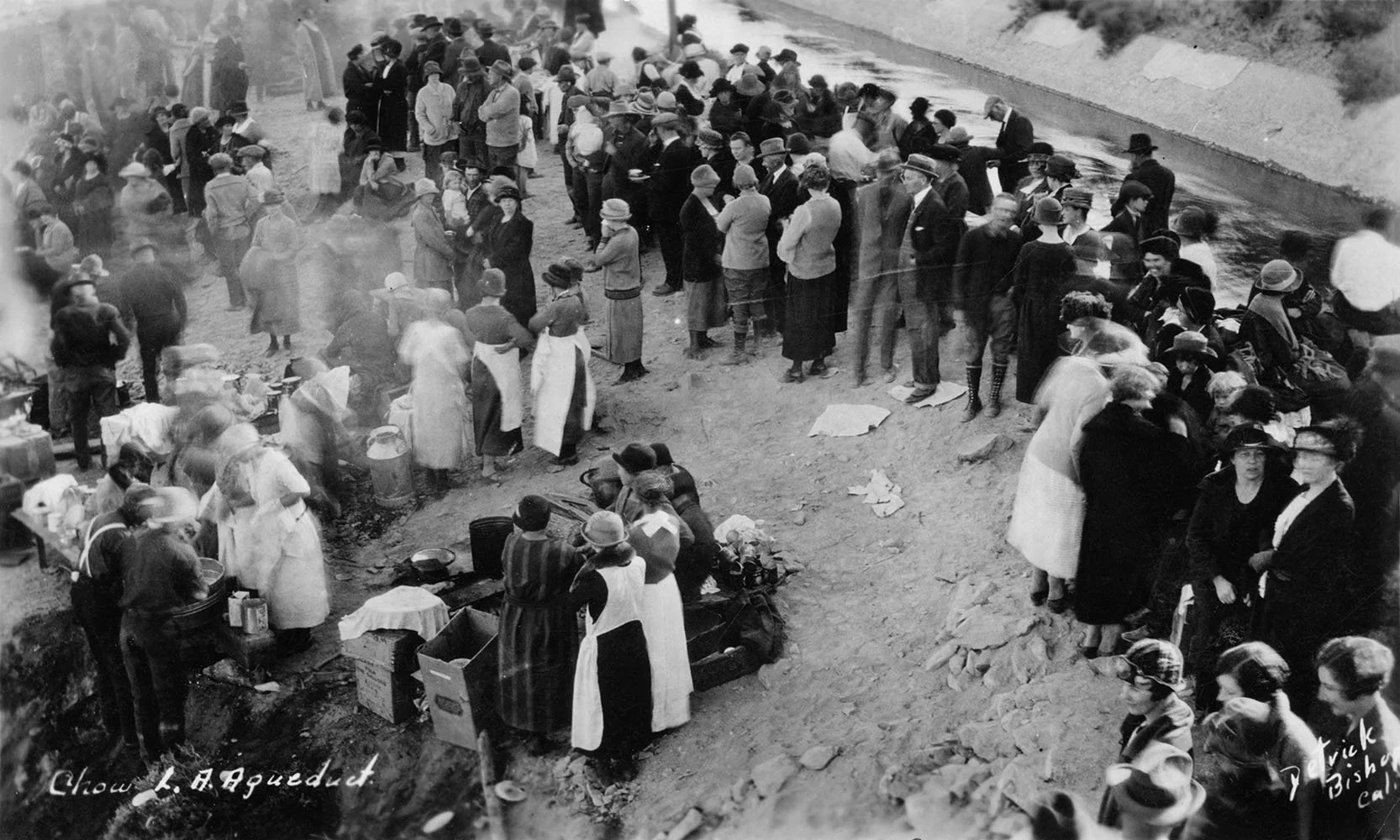
A drought period beginning in the 1920s is used by Los Angeles as a reason for expanding their water extraction from Payahuunadü. LADWP starts to drill wells to access groundwater, including artesian flow, and develop plans to expand their infrastructure into the adjacent Mono Basin. They purchase more lands in the northern part of the valley, around Bishop and Big Pine, at values much higher than southern valley residents had been paid in earlier years.
-
1925
The California Reparations Act is passed with the intention of compensating the local community for damages resulting from resource purchases by municipal corporations for export. As a result, the Owens Valley Reparations Association and Big Pine Reparations Association are formed, together calculating almost $3 million in business, professional, real estate, and other losses from LA’s land and water grab. Los Angeles did not recognize these claims, instead buying out more town and agricultural lands to placate economic concerns in the valley and release themselves from liability under the reparations claims.
-
1925
The Federal Indian Service begins to facilitate the sale of Indigenous-owned lands to Los Angeles , arguing that there is no future for the Paiute and Shoshone in the valley. Los Angeles purchases approximately 4,400 acres from Paiute and Shoshone families at prices often considerably lower than those offered to non-Indigenous landowners.
-
1926
The Indian Service sells 30 acres of land it had recently acquired for homesites near Manzanar, which included abundant water rights and orchards, to Los Angeles.
1930
LADWP releases a report called “Owens River Valley, California - Indian Problem,” which advocates for the sale of the remaining Indigenous-owned lands and federal homesites in exchange for a consolidated reservation. In 1932, LADWP states that this would be a temporary solution, with the ultimate goal of removing the Paiute and Shoshone from the valley within 20 years. Paiute and Shoshone leaders are adamant that they will not leave the valley.
1933
After purchases of land to increase water supply, Los Angeles owns 95% of agricultural lands and 85% of town lands in the Owens Valley.
1939
The federal government exchanges the remaining 3,597 acres of tribal trust land for 1,391 acres of city-owned lands that are turned into the Lone Pine Paiute-Shoshone, Big Pine Paiute, and Bishop Paiute Reservations. In the final stages, LA claims that it cannot transfer water rights without a two-thirds vote of its citizens, per the LA City Charter. To this day, Los Angeles holds the water rights attached to the reservations, while the Tribes’ federally-reserved water rights remain trapped beneath the traded lands.
1940
The Mono Craters Tunnel is completed, which artificially connects the two hydrologically separate watersheds of the Mono Basin and Owens Basin. This allows LADWP to export more water via the Aqueduct and is made possible by Department of Interior land withdrawals.
Property owners in Bishop take legal steps when groundwater pumping results in a declining water table and drying of Bishop Creek. The resulting Hillside Decree determines that LADWP cannot export groundwater pumped from the Bishop Cone, though LADWP’s rights to divert and export surface water, artesian flow, and agricultural return flow are upheld. To this day, LADWP and Inyo County develop a “Bishop Cone Audit” to ensure that the Hillside Decree is upheld during LADWP’s management operations.
1941
LADWP begins diverting and exporting water from Mono Lake’s tributaries, which ultimately results in the level of Mono Lake dropping by 45 feet, creating negative ecological impacts and dust pollution.
Long Valley Dam is constructed and Crowley Lake reservoir begins to fill.

1942
LADWP leases 6,020 acres of land at Manzanar to the federal government, where forced internment of Japanese Americans occurs from 1942 to 1945. While forcibly interned, the Japanese Americans cultivated crops and gardens in Manzanar, developing a relationship to the water of the valley.
To learn more about what happened to the Japanese American community at Manzanar, as well as the connection to the injustices faced by the Paiute and Shoshone, you can watch the film Manzanar, Diverted: When Water Becomes Dust, directed by Ann Kaneko.
-
1959
Because water rights in California must be put to beneficial use (known as “use it or lose it”), the State Water Resources Control Board threatens Los Angeles’ water rights claims in the Mono Basin unless they are put to use. To address this, LADWP begins to plan for a second barrel of the aqueduct so that it can increase exports and utilize its water rights.
-
1963-70
In this period, LADWP reduces irrigated land from 21,800 acres to 11,600 acres in the Owens Valley, in order to have more water for export.
-
1970
The second barrel of the aqueduct is completed, increasing LADWP’s capacity to export water by 200,000 acre-feet per year. Groundwater pumping increases from 35,000 acre-feet per year to 173,000 acre-feet per year to fill the second barrel. The most apparent impacts from the extreme increase in groundwater pumping are the sudden drying up of springs and groundwater-dependent meadows.
reflections
What is something new you learned about this water era?
Is there something you think is important about this time period that is not included in the timeline?